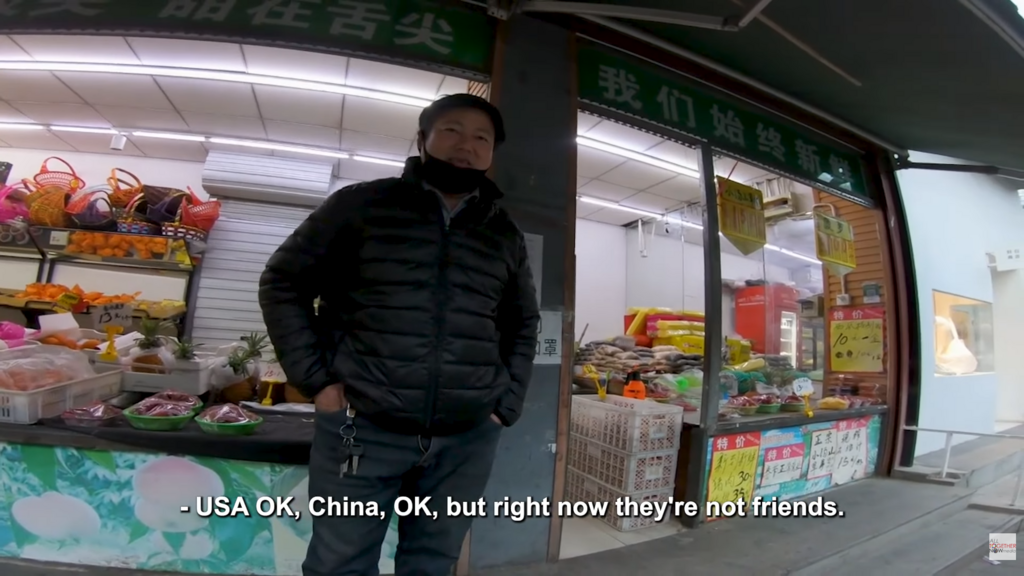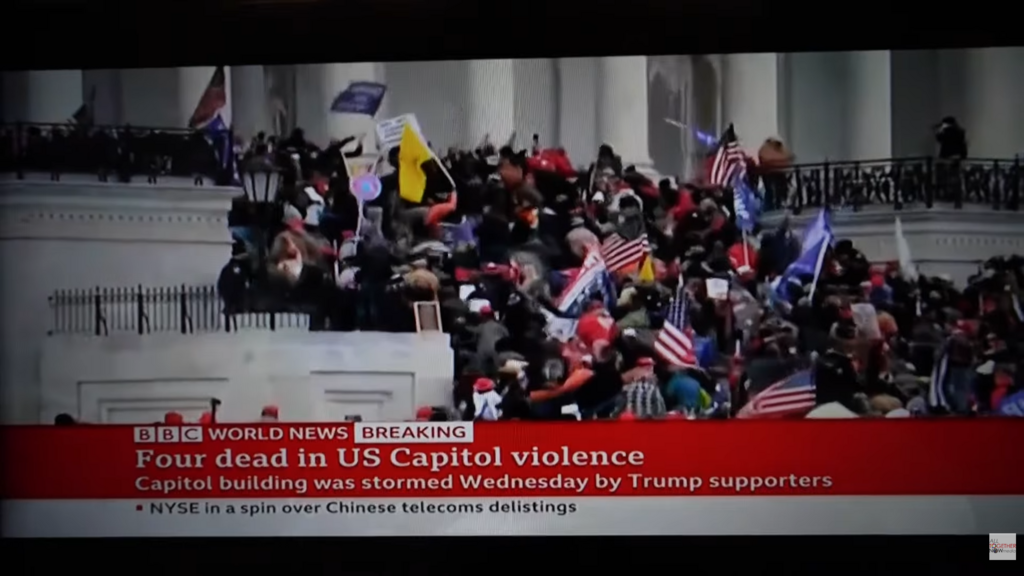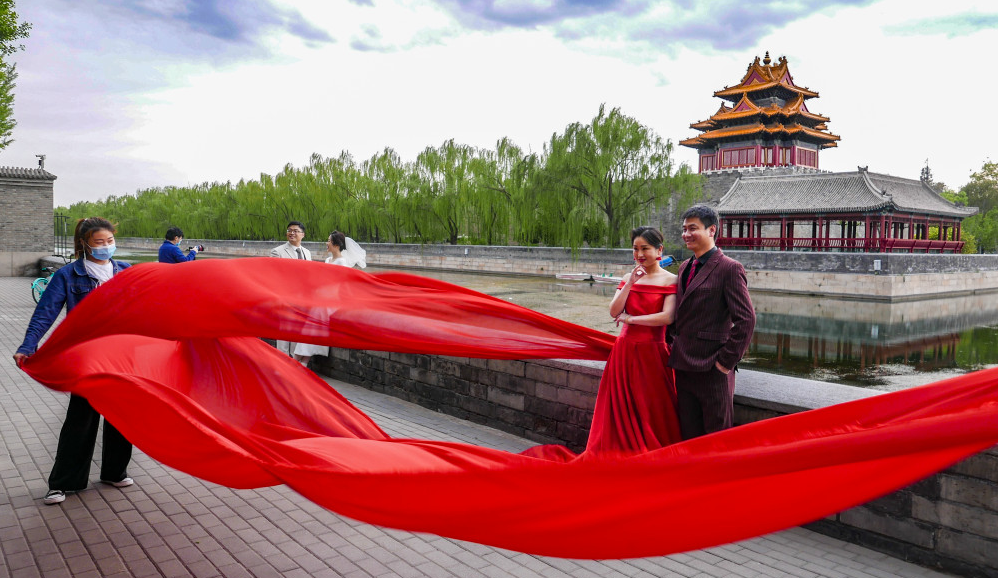
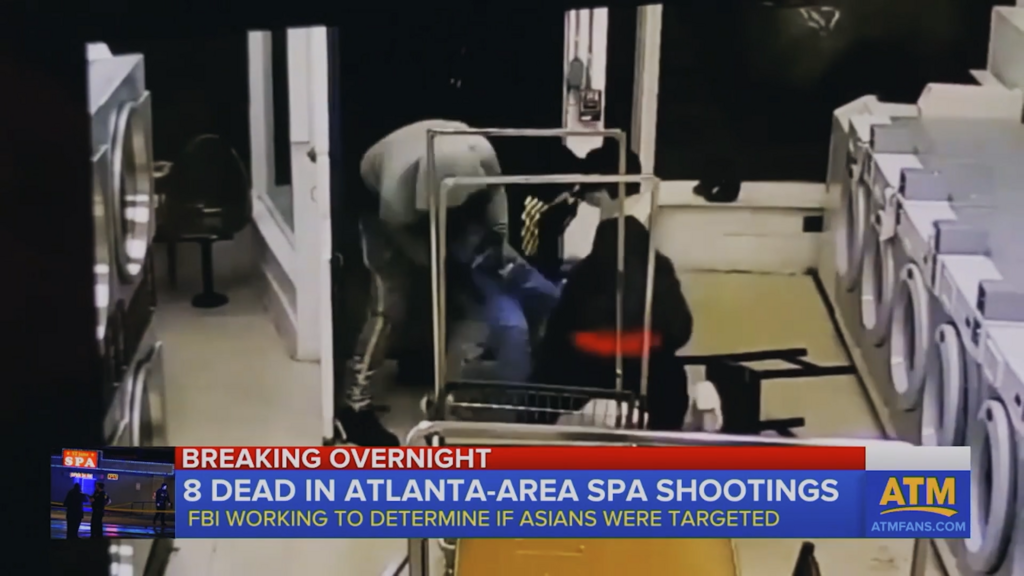
The series opens in pandemic-era Beijing, where Peter's Sydney flight is rerouted around Wuhan and he's swept into a public-health lockdown that makes his adopted country unrecognizable. Flashbacks trace how he got there: a 1988 photojournalism assignment on the Tibetan plateau, a near-fatal bike accident that led him to Asia, and a 1994 cycling expedition across China that he retraces in 2021 — this time treated with suspicion rather than curiosity. Watching the January 6th Capitol riot from a Hong Kong hotel room, he conceives the idea for this very trip. Back in New York, homeless and adrift, he confronts a Chinatown he'd never really seen, the surge in anti-Asian violence, and his own blind spots — then trades the sidelines for a van. Early stops in DC braid dragon boating with Civil War memory, setting the series' central question: what does it mean to belong, to a country or to yourself?
Film 2: Roots & Reckonings
(Coming 2026)
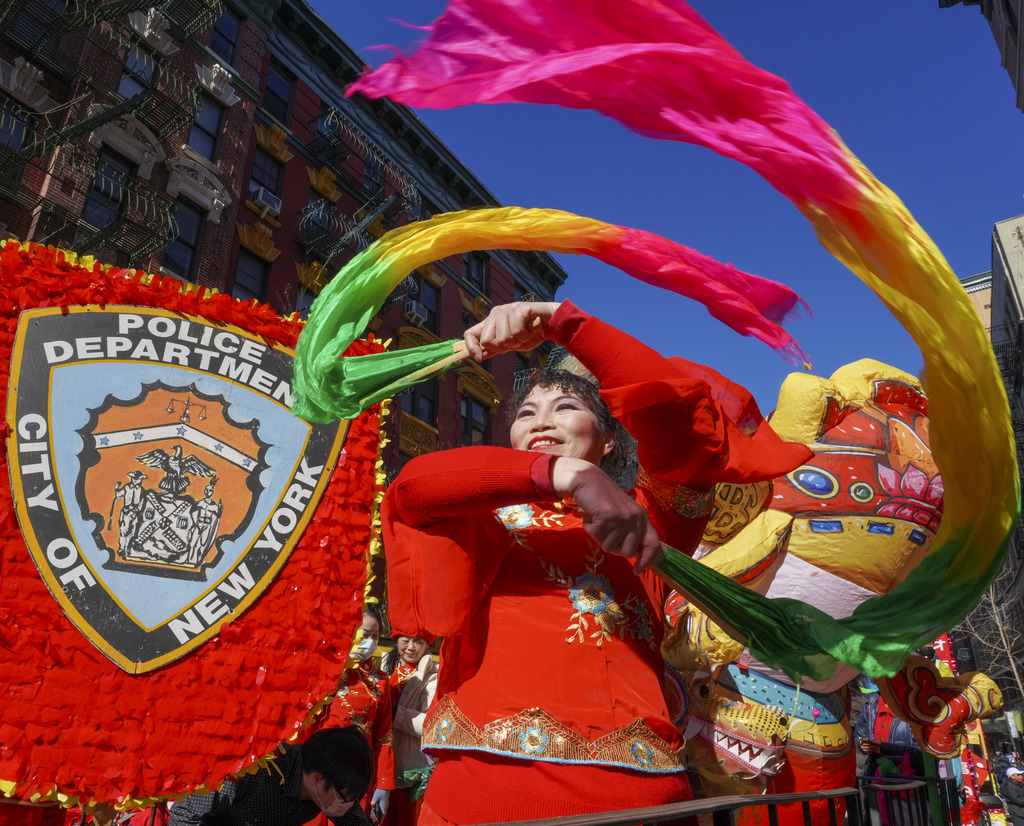
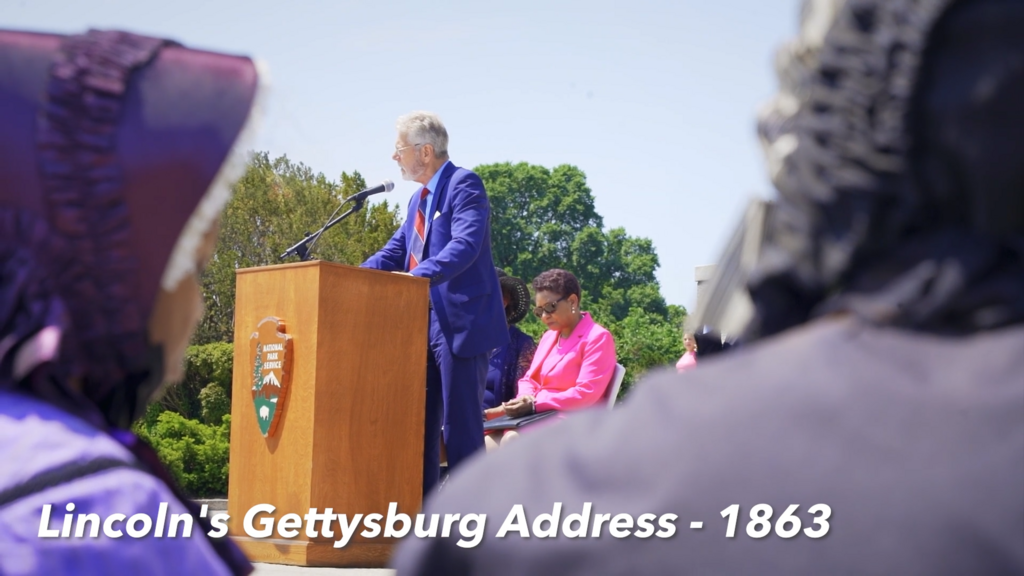
Heading west from home, Peter returns to his own roots first: Philadelphia's dragon boat team and his old prep school, where the fiftieth anniversary of a childhood accident quietly frames the whole journey as a reckoning with both his past and the country's. At Gettysburg he bikes the ground of Pickett's Charge to ask how myth outlives fact, then finds a different kind of unity at the Flight 93 Memorial in Shanksville. In Detroit and Ann Arbor, timed to the fortieth anniversary of Vincent Chin's killing, the series' Asian American thread moves to center stage, colliding with raw conversations about privilege and belonging. Chicago mirrors Philadelphia's dragon-boat scenes before the road turns rural: Iowa's windmills, a Winnebago rally, a farmhouse that once hosted a young Xi Jinping, and the joyful chaos of RAGBRAI's 40,000 riders.
Film 3: Sacred Ground (2027)
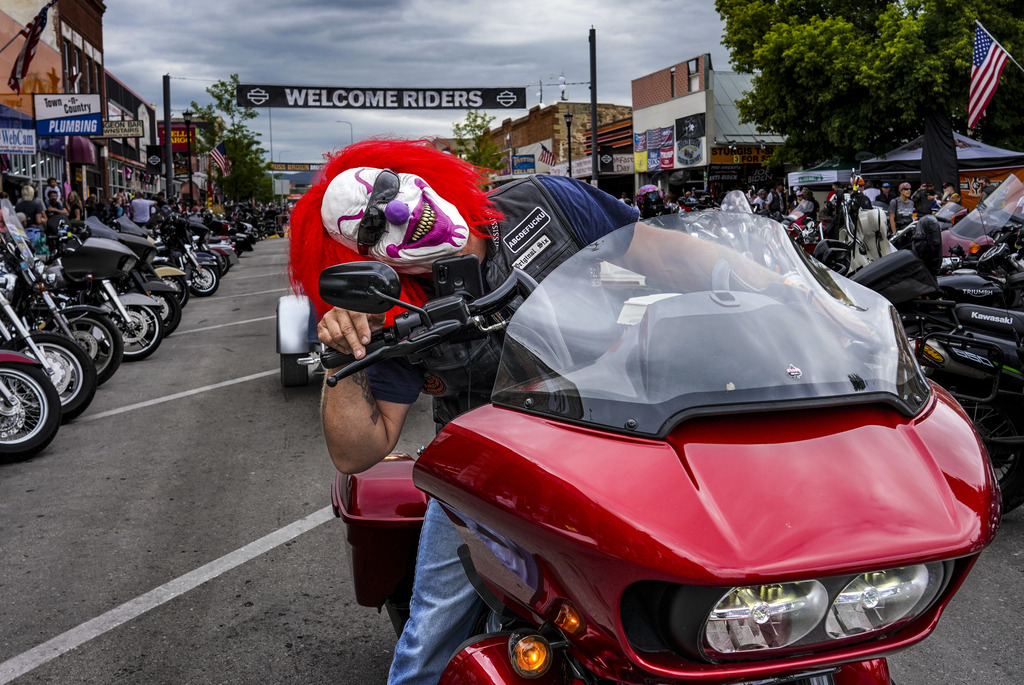
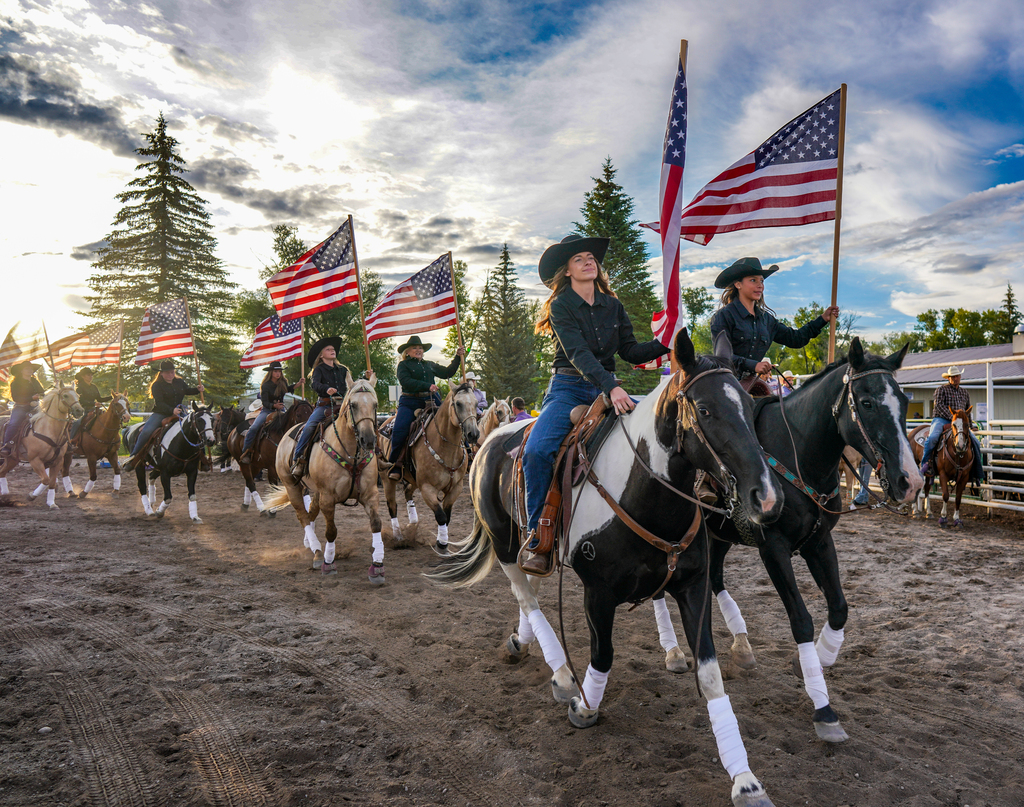
The trip reaches its emotional midpoint in the Black Hills. Rodeo culture gets its first real spotlight in Deadwood, with Native pageantry sharing space with an unexpected Chinatown history, before Sturgis dismantles the outlaw-biker stereotype through ministers, karaoke cowboys, and tattoo artists. Rushmore, Crazy Horse, and Devils Tower form an uneasy triptych of colonial monument and Indigenous sacred space, while the Bighorn Medicine Wheel brings Peter's fiftieth-anniversary reckoning full circle in a solo, reflective moment marking the halfway point of the trip. Then the episode turns hard: in Rock Springs, Wyoming, Peter confronts the 1885 massacre of Chinese coal miners — a buried history of American violence that reframes everything that came before it.
Film 4: Golden Spike to the Golden Gate (2027)
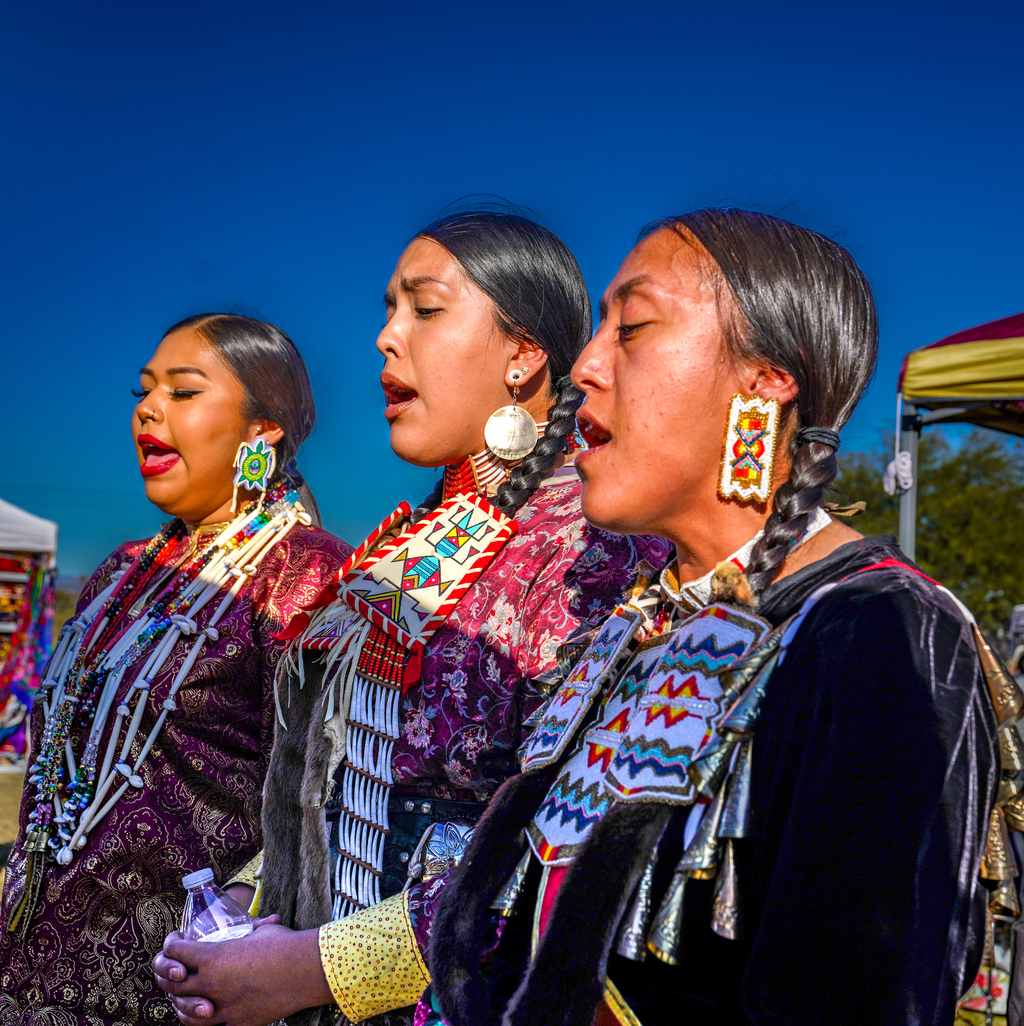
The final leg follows Chinese American history to its source. Golden Spike National Historical Park gives way to the ghost towns of the transcontinental railroad, where Peter traces the exploitation of Chinese laborers and another forgotten massacre in Carlin, Nevada — an unmistakable echo of Rock Springs. Las Vegas's Indian National Finals Rodeo and an Apache powwow in Arizona deepen the series' Native American thread on its own terms. Crossing into California through wildfire smoke, Peter reaches San Francisco: Chinatown, Angel Island's harsher answer to Ellis Island, and a fourth dragon boat team built around the Hawaiian ethos of “ohana” – we are all family. A visit with 93-year-old Reverend Cecil Williams at Glide Memorial Church, and their gospel choir where Peter sang for years, closes the series on its central argument — that belonging, in whatever form it takes, is the thread that ties one divided country together.